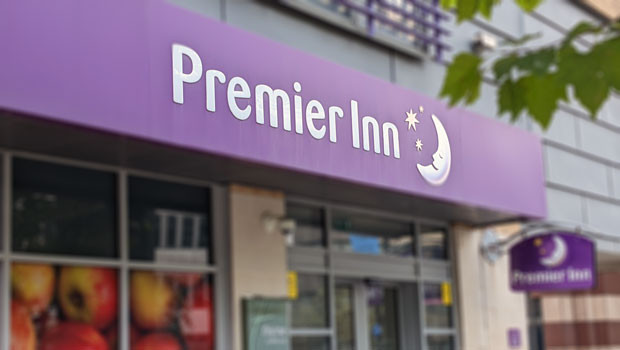
Source: Sharecast
The changes are being made in response to "significant" cost increases in the form of business rates and National Insurance, the company said, as well as the implied market discount to its inherent value.
The Premier Inn owner said it will "recycle" £1.5bn of its freehold property to fund new growth and will increasingly "look to grow on a leasehold basis", resulting in net capex of £200m to £250m per year, equating to a reduction of more than £1bn versus the previous five-year plan.
Whitbread, which also owns Beefeater and Brewers Fayre, among others, expects to reduce the proportion of freehold property held from around 50% to 30%-40% over time.
The company also said its refocused growth plans in the UK and Germany will drive increased margins and returns. By 2031, the plan will deliver £275m of incremental adjusted pre-tax profit contribution from key growth initiatives and increase return on capital employed by 500 basis points.
As part of the new plan, Whitbread will replace all of its remaining 197 branded restaurants with a more efficient integrated restaurant. Moving to a 100% integrated food and beverage offering will improve the guest experience and add more higher returning extension rooms, it said.
Whitbread has already agreed the sale of 51 branded restaurants for £50m and terms for the sale, subject to conditions, of a further 60 sites.
Chief executive Dominic Paul said that following the business review, Whitbread has concluded that its model is the right one.
"Owning a significant proportion of our property is a unique strength which powers the growth of Premier Inn while supporting our resilience as a business, underpinned by a strong balance sheet. But we can improve our approach," he said.
"We will refocus our capital spend and recycle more of our freehold real estate, driving increased margins and returns, reducing our capital intensity and increasing cash returns for shareholders. By making our assets work harder and focusing on the highest returning projects, we will be able to continue to take advantage of constrained supply to strengthen our position in both of our core markets, whilst at the same time deliver attractive financial outcomes for shareholders.
"Our New Five-Year Plan builds on our strengths and drives a significant acceleration of our strategy."
The plan is expected to result in a reduction of around 3,800 roles out of a total UK and Ireland workforce of circa 30,000. This is still subject to employee consultation and Whitbread said it will look to find alternative opportunities wherever possible.
Activist investor Corvex Management took a 6% stake in Whitbread at the end of last year, calling on the company to review its strategy.
It pointed to a "valuation disconnect", noting that the share price appeared to ascribe no value to several meaningful components of the business, including the UK operated leasehold portfolio, the German hotel assets, and its development properties currently under construction and not yet trading.
"In light of this valuation disconnect, and following the recently announced UK Budget and changes to rateable values and business rates, we believe the company should undertake a strategic review to assess its capital allocation priorities and overall strategic direction," Corvex said last December.
Whitbread’s five-year plan was announced alongside the company’s results for the year to 26 February, which showed that revenue was flat at £2.9bn, while adjusted pre-tax profit was also flat, at £483m.
Whitbread said positive growth in UK and Germany accommodation sales was offset by the expected lower food and beverage revenues as a result of the 'Accelerating Growth Plan' launched two years ago.
At 1225 BST, the shares wee down 3.5% at 2,301p.
Russ Mould, investment director at AJ Bell, said: "Pressure from US activist investor Corvex has taken hold at Whitbread as the company announces plans to sell and lease back a big chunk of its hotel estate and make significant changes to its restaurant business. The market seems unconvinced by the strategy based on the initial investor reaction.
"Lots of Whitbread’s peers operate an ‘asset-light’ model whereby they don’t own the sites they manage. There are advantages and disadvantages to both and while Whitbread will remain an owner of some of its hotels, the changes announced today and the plans to focus on leaseholds in the future are a clear nod in this direction.
"We can’t be too far away from Whitbread renaming itself Premier Inn PLC given its remaining branded restaurants are to be replaced with hotel-based food offerings. The logic to this move is obvious although the potential 3,800 job losses will only add to the gathering gloom around the UK economy.
"This in itself is a headwind for Premier Inn to manage. It will hope its keenly priced rooms, which are sold on the consistency of what you’re getting for your money, will see it benefit from people trading down from more expensive options."
See latest RNS on Investegate
See latest RNS on Investegate