Source: Sharecast
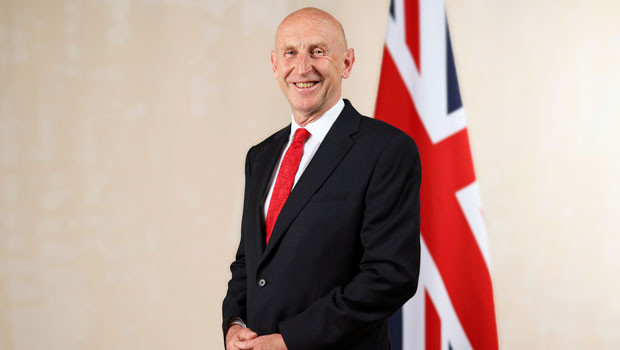
Speaking from Bangkok, where he was attending the International Monetary Fund’s annual meeting, Healey called Britain’s banks "part of the jewel" in the UK economic crown. He told reporters: "People too often see them as big, distant financial institutions, when they are hardwired into the economic fabric of this country and our future prospects."
However, despite his praise for the sector, Healey is understood to still be considering hiking taxes when he presents his first Budget on 28 October.
According to The Guardian, the Treasury is mulling reversing a previous reduction to the bank surcharge, which would likely raise upwards of £2bn a year. The surcharge was trimmed to 3% from 8% from April 2023 by Conservative chancellor Jeremy Hunt. The BBC also said unnamed banking executives had told it that tax hikes would be "on the menu" at the Budget.
Trade body UK Finance warned that any further increases in bank taxes risked weakening competitiveness, discouraging investment and job creation, and would "work against the government’s ambition to deliver growth in every postcode".
ING has pencilled in between £5bn and £6bn of tax hikes in the coming Budget, "likely via a higher bank surcharge and possibly broadening the National Insurance tax base". James Smith, ING’s developed markets economist, UK, said: "Higher debt interest costs look set to drive the level of fiscal headroom from £24bn in March to £10bn. There’s a growing sense that Healey would like to get this up to £15bn or higher."
As at 0830 BST, Lloyds Banking Group had shed 2% at 103.47p to head the blue chip fallers’ board, NatWest Group was 2% lower at 659.1p while Barclays was down 1% at 430p.
London’s Asia-focused banks fared better, however. HSBC Holdings was up 1% at 1,430.8p while Standard Chartered was largely flat at 2,134.03p.