Source: Sharecast
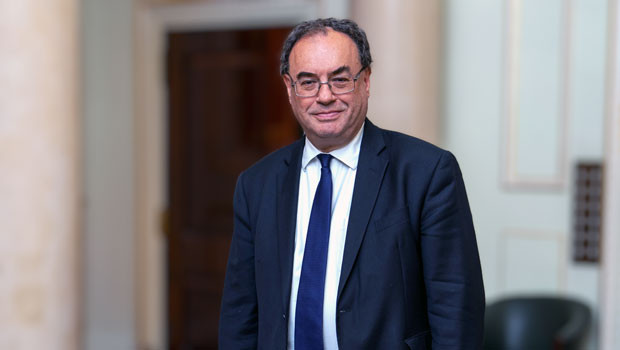
Speaking at an Institute of International Finance meeting in Bangkok on Friday, Bailey suggested that the risk of rising energy prices triggering more widespread, second-round inflation had so far been limited.
"I think it's too early, but to the extent we've seen evidence, so far it's been quite subdued," he said.
Bailey also highlighted the pressure on companies to contain costs rather than increase prices. "When I go around the country, I do a lot of talking to businesses. There's a very big focus on cost-cutting and a very big focus on the difficulty of passing through [higher energy prices]," he said.
His comments came as the UK economy continued to show signs of strength despite the disruption caused by the conflict.
"[The economy] is actually turning out to be more resilient than we expected it to be", he said, though he acknowledged inflation remained "enormously frustrating".
UK consumer price inflation stood at 3.1% in August, remaining well above the Bank's 2% target. The Monetary Policy Committee voted 6-3 to keep interest rates unchanged at 3.75% in September, though three members favoured a quarter-point increase.
Bailey highlighted the risks of second-round price pressures earlier this month at the İstanbul Economic Forum, saying that elevated inflation can lead households and businesses to increase wage demands and pricing decisions, meaning temporary shocks can become "persistent".
"These second-round effects are slower to emerge," he said on 8 October. "The difficulty becomes greater when shocks arrive in quick succession. A recent history of higher inflation can cause people to expect further inflation. The sequencing of Covid and the invasion of Ukraine have made this risk particularly acute."