Source: Sharecast
According to the provisional figures from the Office for National Statistics, average UK house prices increased by 1.2% to £273,000 in the 12 months to September, unchanged on August.
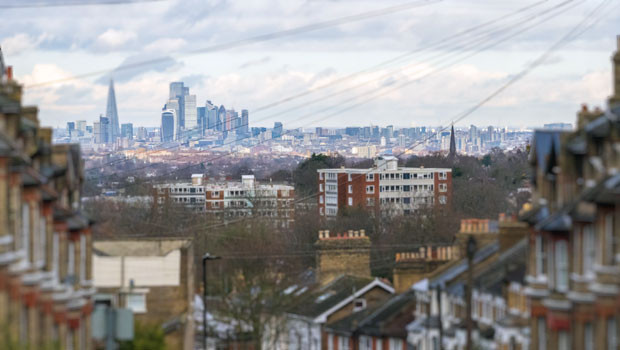
Driving the growth was a 1.8% jump in house prices in Wales and 2.3% improvement in Scotland, which helped offset a weaker 0.8% uplift in England. The capital in particular continued to struggle, with prices falling 3.5% overall and by 7.2% in inner London, the largest annual fall since August 2009.
Aimee North, head of housing market indices at the ONS, said: "The north east [was] the English region with the highest annual inflation, and London the lowest, by some margin."
Rents, meanwhile, continued to ticker higher. Average UK monthly private rent increased by an above-inflation 3.8% in the 12 months to October, to £1,411, unchanged on September and August.
The UK housing market has been battered by various headwinds this year, including affordability constraints and weakened sentiment. War in the Middle East sent energy prices soaring and reignited inflationary pressures. In response, the Bank of England opted to leave interest rates at a historically high 3.75% for most of the year before earlier this month finally hiking the cost of borrowing to 4%.
A further rise is widely expected next month. Data out earlier on Wednesday showed the consumer price index had climbed to 3.6% in October, below a number of forecasts for 3.7% but still well ahead of the BoE’s long-term target of 2%.
Earlier in the week, research from property portal Rightmove showed asking prices fell more sharply than usual in November, as persistently high mortgage rates continued to squeeze buyers’ budgets.
Supply has also finally started to catch up with demand, further weighing on prices.